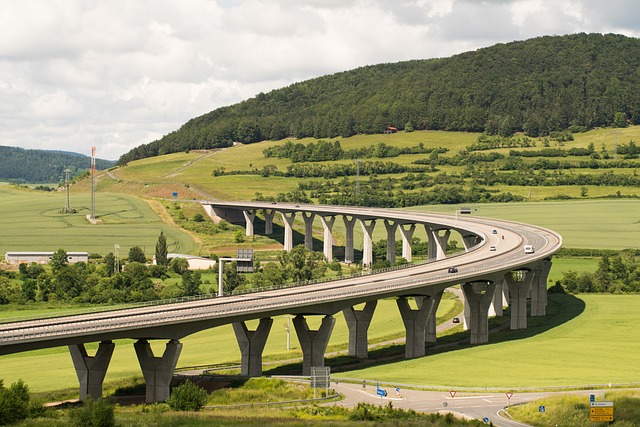
Public and private investments in real estate foster economic growth and urban development through symbiotic partnerships. Strategic funding models, market analysis, and compelling proposals attract private capital for public projects. Successful collaborations, like Manhattan's West Side revival and European eco-friendly neighborhoods, leverage public infrastructure while driving private investment in construction, green spaces, and renewable energy, revitalizing urban areas and appealing to environmentally conscious investors.
In today’s dynamic real estate landscape, public projects play a pivotal role in attracting private investment. This article delves into the intricate synergies between public and private investments, exploring how strategic partnerships can drive urban development and create vibrant communities. We uncover proven strategies to entice private capital for publicly funded real estate initiatives and present compelling case studies highlighting successful collaborations. By examining these examples, stakeholders can gain valuable insights into harnessing the power of public-private partnerships in the ever-evolving world of real estate.
Understanding the Synergies Between Public and Private Investment in Real Estate

The interplay between public and private investments in real estate creates a powerful synergy that can drive economic growth and urban development. Public projects, often funded by government initiatives or community efforts, lay the groundwork for attracting private capital. These projects might involve infrastructure development, land reclamation, or revitalizing underserved areas. Once these foundational elements are in place, private investors see opportunities to contribute their expertise and financial resources.
The attraction lies in the potential for mutually beneficial outcomes. Public investments provide a stable environment conducive to long-term real estate strategies, while private entities bring specialized knowledge, innovative design concepts, and efficient project management. This collaboration fosters diverse and dynamic urban landscapes, ensuring that public spaces and infrastructure are enhanced, and communities thrive.
Strategies to Attract Private Capital for Publicly Funded Real Estate Projects

Attracting private capital for publicly funded real estate projects requires a strategic approach that leverages the unique benefits of both sectors. One key strategy involves demonstrating the potential for strong returns and long-term sustainability, which can be achieved through thorough market analysis and presenting compelling investment proposals. Public projects often offer stable funding sources and established demand, making them attractive to institutional investors seeking diversified portfolios.
Additionally, creative financing models such as public-private partnerships (PPPs) can incentivize private investment by sharing risks and rewards. Effective communication and marketing are also crucial, highlighting the project’s impact on the community, potential for value creation, and alignment with national or regional development goals. By presenting a well-structured plan and emphasizing the real estate market’s growth prospects, developers can entice private investors to participate in these publicly funded initiatives.
Case Studies: Successful Partnerships in Urban Development

Successful partnerships between public and private sectors have led to remarkable urban development projects worldwide. One notable example is the revival of Manhattan’s West Side, where a joint venture between local authorities and real estate developers transformed previously underutilized land into a vibrant residential and commercial hub. This project involved careful planning, leveraging public infrastructure while attracting private investment in construction and amenities, ultimately enhancing the area’s appeal to residents and businesses alike.
Another successful case study is the sustainable development of eco-friendly neighborhoods in several European cities. Public-private collaborations focused on creating green spaces, implementing energy-efficient buildings, and promoting renewable energy sources. These initiatives not only revitalized urban areas but also attracted real estate investors interested in environmentally conscious properties, demonstrating that public projects can foster private investment while addressing pressing urban challenges.