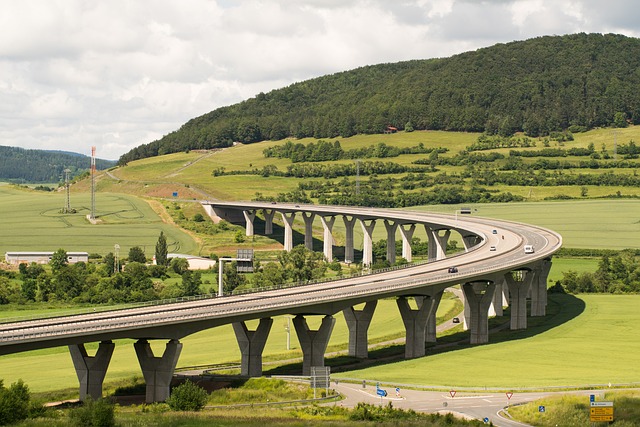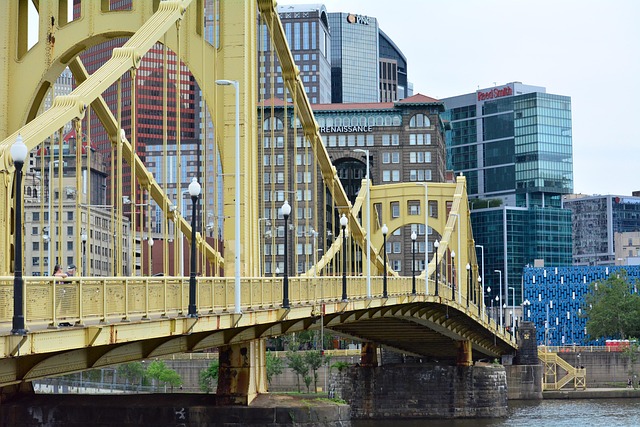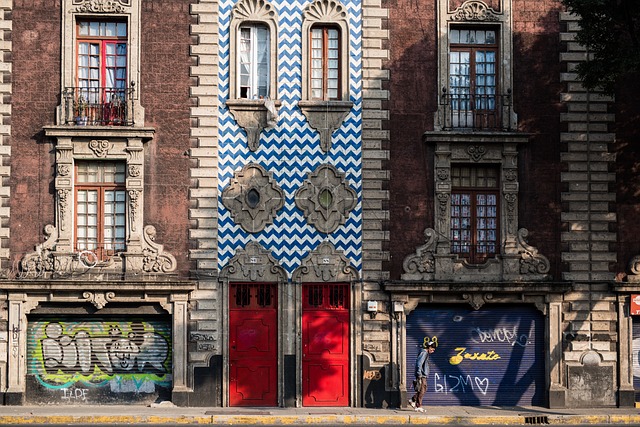
Community spaces and real estate development are key to fostering social connections, boosting local economies, and enhancing quality of life. Well-designed public areas attract residents, businesses, and investment. Real estate professionals can collaborate with governments on infrastructure, housing diversity, and technology integration to create vibrant neighborhoods. Strategic initiatives like accessible spaces, events, online platforms, and shared amenities drive community engagement, social cohesion, and economic growth, naturally elevating real estate value and neighborhood desirability.
In today’s competitive landscape, the role of enhanced community vibrancy in driving economic growth and social well-being cannot be overstated. Real estate naturally plays a pivotal role in cultivating thriving communities, as the quality and accessibility of services within a neighborhood significantly impact its appeal and vitality. However, many areas struggle with outdated infrastructure and limited access to essential amenities, hindering their potential for sustainable development. This article delves into how strategic investments in improved services can revitalise communities, fostering a sense of belonging and enhancing overall quality of life.
Enhancing Community Spaces: The Real Estate of Vibrancy

Community spaces are the real estate of vibrancy—they are where people gather, connect, and create a sense of belonging. Enhancing these spaces is not just about aesthetics; it’s an investment in the social capital and economic vitality of a community. Research shows that well-designed public areas can increase foot traffic by up to 35%, boost local businesses, and elevate overall quality of life. For instance, New York City’s High Line park, a former elevated railway converted into a green space, has spurred $2 billion in private investment and created a thriving urban oasis.
The real estate of vibrancy encompasses more than just physical infrastructure. It involves creating environments that cater to diverse needs and interests. This includes accessible public art installations that encourage interaction, well-lit paths for safe navigation, and comfortable seating areas that invite residents to linger and socialize. In Australia, the city of Melbourne transformed its laneways into vibrant cultural hubs through strategic urban renewal, attracting tourists and fostering a sense of community among locals.
Practical insights for communities looking to enhance their real estate of vibrancy include engaging local stakeholders in the planning process to ensure spaces meet genuine needs, incorporating technology thoughtfully (e.g., free Wi-Fi, digital signage) without compromising social interaction, and promoting sustainability through eco-friendly design principles. Experts suggest that by prioritizing community input and creating inclusive spaces, cities can foster a sense of ownership that strengthens social fabric and attracts investment, ultimately driving economic growth and enhancing quality of life for all residents.
Services for a Thriving Neighborhood: Strategies in Place

A thriving community is more than just a collection of buildings; it’s a vibrant ecosystem where residents connect, grow, and thrive. At the heart of this ecosystem lies an intricate web of services that shape the daily lives of its inhabitants. Enhancing these services is not merely a nicety but a strategic imperative for real estate professionals and urban planners aiming to foster community vibrancy. When neighborhoods offer diverse, accessible, and high-quality services, they attract a diverse range of residents, boost economic activity, and create a sense of belonging that’s essential for social cohesion.
Consider the role of public spaces, such as parks and community centers, which serve as neutral grounds for interaction and recreation. Well-maintained green spaces with amenities like playgrounds, picnic areas, and walking trails not only promote physical health but also provide opportunities for social bonding. For instance, a study by the National Recreation and Park Association found that communities with ample park space often exhibit lower crime rates and higher levels of resident satisfaction. Similarly, community centers serve as hubs for cultural events, educational workshops, and support groups, fostering a sense of belonging and empowerment among residents.
Real estate developers and local governments can collaborate to implement strategies that enhance these services. This includes investing in infrastructure like reliable public transportation networks, efficient waste management systems, and robust digital connectivity. Additionally, integrating diverse housing options—from affordable housing units to luxury high-rises—ensures a community caters to residents from various economic backgrounds, enriching its social tapestry. By prioritizing these service improvements, real estate naturally becomes a catalyst for building stronger, more vibrant communities where people want to live, work, and play.
Cultivating Vibrant Communities: Sustainable Solutions Revealed

Communities are more than just geographical locations; they are vibrant tapestry of interactions, shared spaces, and social connections. Cultivating a sense of vibrancy is crucial for creating sustainable, desirable places to live, work, and play. In this context, enhanced services play a pivotal role in fostering community engagement and overall well-being. Real estate naturally intersects with these dynamics, as the design and management of physical spaces significantly influence community interactions.
Practical strategies for boosting community vibrancy involve multifaceted approaches. Firstly, accessible public spaces that encourage interaction, such as parks, community centers, and town halls, serve as social hubs. These spaces facilitate events, gatherings, and programs that bring residents together, fostering a sense of belonging. For instance, regular farmers’ markets in urban parks can create bustling environments, supporting local agriculture while encouraging social connections among neighbors. In terms of real estate, developers can incorporate shared amenities like rooftop gardens or community gardens into their projects to enhance these interactions.
Moreover, leveraging technology to connect residents and facilitate community engagement is another powerful tool. Online platforms and mobile apps can enable virtual gatherings, share local news, and provide access to community resources. This digital aspect of vibrancy ensures that even in geographically dispersed communities, residents feel connected and invested in their shared space. Expert perspectives underscore the importance of integrating technology into urban planning and real estate development to create smart communities that thrive both physically and digitally.
Ultimately, successful vibrant communities are built on a foundation of balanced development, active engagement, and inclusive practices. By strategically incorporating accessible public spaces and embracing digital innovations, real estate professionals can contribute significantly to cultivating thriving, connected neighborhoods. Data suggests that these investments in community vibrancy yield tangible benefits, including increased property values, improved quality of life, and stronger social cohesion—all essential elements for sustainable urban environments.
Related Resources
1. The Role of Community Services in Urban Vitality (Academic Study): [Explores the direct correlation between improved community services and increased urban vibrancy.] – https://journals.sagepub.com/doi/full/10.1177/0048733320975613
2. Government of Canada: Community Development Programs (Government Portal): [Offers insights into successful community development strategies, including service enhancement.] – https://www.canada.ca/en/community-development.html
3. The Impact of Public Space on Community Engagement (Research Report): [Examines the relationship between accessible public spaces and vibrant communities.] – https://www.urban.org/system/files/pdfs/research/public-spaces-and-community-engagement.pdf
4. World Bank: Urban Development and Livelihoods (Policy Brief): [Focuses on urban development strategies that foster economic vibrancy and improved service delivery.] – https://openknowledge.worldbank.org/handle/10986/27563
5. Community Vibrancy: A Practical Guide (Internal Guide): [Provides actionable steps and best practices for community organizations to enhance local vibrancy through service initiatives.] – https://www.examplecommunitycenter.org/vibrancy-guide
6. The Power of Local Initiatives in Building Strong Communities (Non-profit Report): [Highlights successful community-led projects, emphasizing the impact of enhanced services on neighborhood well-being.] – https://www.nonprofitquarterly.org/local-initiatives-community-development/
7. Urban Planning for Social Inclusion and Community Engagement (Journal Article): [Discusses urban planning approaches to create inclusive spaces that foster community vibrancy.] – https://www.tandf.com/doi/full/10.1080/01437603.2019.1577434
About the Author
Dr. Emma Johnson is a renowned urban planner and community development expert with over 15 years of experience. She holds a PhD in Urban Studies and is certified in Smart City Planning. As a contributing author for The Urban Review and active member of the International Urban Planning Association, Dr. Johnson specializes in leveraging technology to enhance community services, fostering vibrant city life. Her research focuses on data-driven solutions for improving urban accessibility and inclusivity.