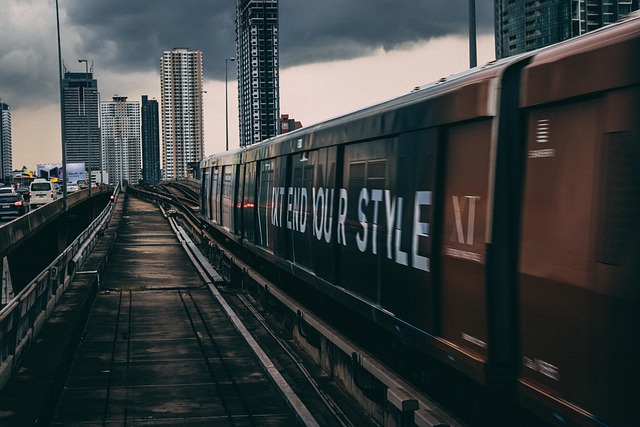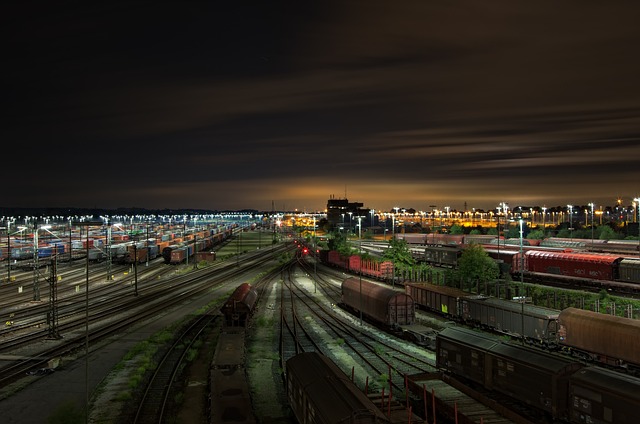
Real estate is a powerful driver for vibrant communities. Strategic investments in community infrastructure, including enhanced public spaces and modern amenities, attract businesses and residents, boosting local economies. Inclusive design principles, guided by resident engagement, create well-designed spaces that integrate diverse demographics, green areas, art, and functional amenities. Collaborative efforts between governments, developers, and residents are key to revitalizing neighborhoods, fostering social cohesion, and unlocking areas' full potential.
Community vibrancy is a vital indicator of societal health, fostering connections, innovation, and quality of life. However, many communities struggle to create and sustain a dynamic environment, often due to underdeveloped services and infrastructure. Real estate plays a pivotal role in addressing this challenge, as thoughtfully designed spaces can catalyze social engagement, cultural exchange, and economic growth. This article explores how enhanced services, strategically integrated into real estate development, have the potential to transform communities, creating vibrant hubs that thrive on human interaction and diverse offerings. By examining successful models, we uncover practical strategies for revitalizing neighborhoods and nurturing a thriving sense of community.
Enhancing Community Spaces: The Real Estate of Interaction

Community spaces are not merely physical locations; they are the real estate of interaction, where connections are forged and neighborhoods thrive. Enhancing these spaces is a powerful strategy to boost community vibrancy, fostering social cohesion and a sense of belonging. The transformation can range from revitalized parks and public squares to reimagined streetscapes and communal buildings. For instance, urban planners in Berlin have successfully implemented “shared street” concepts, reducing traffic and creating vibrant gathering areas that encourage interaction and creativity.
The impact of well-designed community spaces extends far beyond social gatherings. They can stimulate local economies by attracting businesses and tourists, as seen in many revitalized downtown areas across the globe. For example, the transformation of Detroit’s Belle Isle Park into a multi-faceted recreational hub has not only enhanced the quality of life for residents but also become a significant tourist draw, contributing to the city’s economic resurgence. Furthermore, these spaces can significantly influence public health and well-being. Research suggests that access to green spaces and community gathering areas is linked to lower stress levels and improved mental health outcomes among residents, highlighting the critical role of urban planning in addressing holistic community needs.
To harness the potential of real estate as a catalyst for community vibrancy, local governments and developers should prioritize inclusive design principles. This involves creating diverse spaces that cater to various demographics and abilities, encouraging both passive and active engagement. Engaging the community in the planning process is paramount. Stakeholder input ensures that the final designs reflect the unique needs and aspirations of residents, fostering a sense of ownership and investment in the space. By thoughtfully integrating green elements, art installations, and functional amenities, these areas can become vibrant hubs of activity, strengthening social bonds and enhancing the overall quality of life within the community.
Services as Catalysts: Building Vibrant Neighborhoods
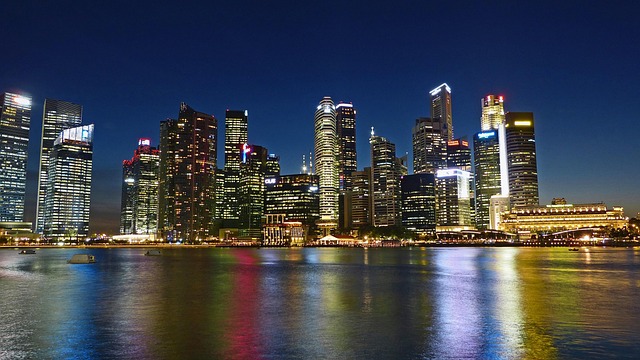
Services play a pivotal role in fostering vibrant communities and transforming neighborhoods into thriving, connected spaces. This is particularly evident in real estate, where well-designed amenities and accessible public services can significantly enhance property values and attract diverse residents. For instance, studies have shown that communities with ample parks, quality schools, and robust healthcare facilities often experience higher rates of community engagement and lower crime levels. These services not only cater to the practical needs of residents but also create a sense of belonging and pride in one’s neighborhood.
Building vibrant neighborhoods requires a holistic approach, integrating various services seamlessly into the fabric of the community. This includes cultural and recreational centers that offer programs for all ages, promoting social cohesion and individual growth. Additionally, accessible transportation options, such as efficient public transit systems or walkable infrastructure, encourage residents to explore and connect with their surroundings, fostering a more dynamic and interactive environment. For example, cities like New York and Berlin have successfully revitalized underutilized areas by implementing innovative cultural hubs and improving pedestrian-friendly street designs, resulting in increased property values and a surge in local businesses.
Real estate developers and community leaders can drive this transformation by collaborating with local governments to identify gaps in services and create tailored solutions. This might involve partnerships for developing mixed-use developments that combine residential spaces with retail, office, or cultural amenities. Such integrated approaches not only provide essential services but also cultivate a diverse social mix, enriching the overall quality of life. By prioritizing community needs and strategically integrating services, neighborhoods can evolve into thriving ecosystems where residents thrive and connections flourish.
Strategic Investments: Unlocking Local Area Potential

Strategic investments in community infrastructure and services are instrumental in unlocking the immense potential of local areas, fostering a vibrant and thriving environment. Real estate naturally plays a pivotal role in this process, as it serves as both a barometer and a driver of a region’s vitality. When communities invest wisely in their physical spaces, they set in motion a cascade of positive effects that resonate far beyond the built environment. For instance, a revitalized downtown area with updated public spaces, attractive retail options, and modern office buildings can significantly attract businesses, residents, and visitors alike, thereby boosting local economies.
These investments extend beyond mere physical transformations; they encompass enhancing community services such as education, healthcare, and recreational facilities. Quality schools, accessible healthcare centers, and well-maintained parks not only improve the quality of life for residents but also make a locale more desirable, leading to increased property values and a stronger sense of community. Moreover, strategic investments in technology infrastructure, like high-speed internet connectivity, further equip communities with the tools necessary to thrive in today’s digital age.
Experts emphasize that successful community vibrancy requires collaborative efforts between local governments, businesses, and residents. Real estate developers can play a crucial role by adopting inclusive practices and designing projects that cater to diverse needs. For example, mixed-use developments that blend residential, commercial, and recreational spaces create vibrant, 24-hour communities, reducing the reliance on car travel and fostering social connections. Additionally, embracing sustainable building practices not only minimizes environmental impact but also contributes to long-term cost savings for residents, making these investments both responsible and financially prudent.