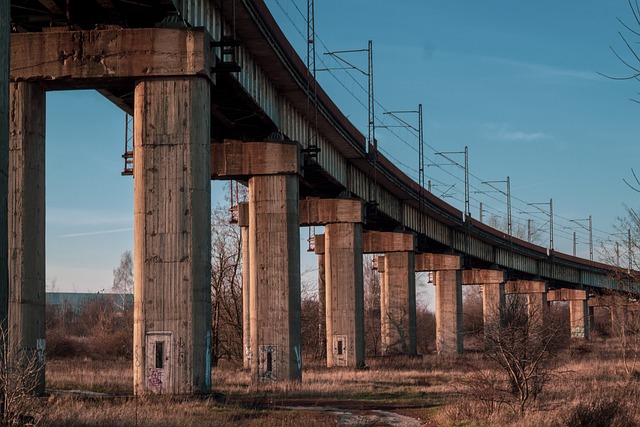
Transportation infrastructure is key to economic growth and real estate success. Well-designed transit systems enhance accessibility, create desirable locations, and drive commercial success. Sustainable transportation options increase property value and attract eco-conscious tenants. Real estate professionals should collaborate with urban planners, invest in properties near transit hubs, and recognize the strategic role of transportation for future community prosperity. Efficient transportation boosts economic growth, reduces commute times, enhances productivity, and fosters innovation, directly impacting real estate markets positively. Governments should strategically position transit hubs to stimulate economic activity and revitalize areas. Integrating transportation access into urban design promotes sustainable growth, enhances quality of life, and attracts businesses and residents.
In today’s dynamic global economy, transportation access is a cornerstone for commercial success. Easy mobility fuels economic growth, attracts businesses, and enhances quality of life—all critical factors in real estate decisions. However, the current landscape presents challenges, with ever-increasing demand outpacing infrastructure development, particularly in rapidly growing cities. This dichotomy creates a significant hurdle for both developers and investors seeking to maximize returns. Our article offers an authoritative exploration of these dynamics, providing actionable insights into how strategic transportation planning can mitigate these issues and drive sustainable commercial growth.
Transportation Infrastructure: The Foundation for Commercial Success

Transportation infrastructure is the unsung hero behind every successful commercial venture. In today’s interconnected world, efficient mobility networks are not just a convenience; they are the foundation upon which economic prosperity thrives. Real Estate, naturally, plays a pivotal role in this equation, as it provides the physical canvas upon which these transportation hubs are built and the spaces that facilitate commerce are developed.
Consider the impact of well-designed transit systems on urban landscapes. Cities like Singapore and Tokyo have mastered this art, where advanced public transport networks not only ease congestion but also drive commercial growth. For instance, the efficient MRT system in Singapore has spurred the development of mixed-use properties along its routes, attracting businesses and residents alike. This symbiotic relationship between transportation and real estate creates a positive feedback loop: improved accessibility attracts investments, which in turn enhance the local economy and property values.
Furthermore, the integration of sustainable transportation options is becoming a key differentiator for forward-thinking cities and developers. Electric vehicle charging stations, bike lanes, and pedestrian-friendly infrastructure not only cater to changing consumer preferences but also signal a commitment to environmental stewardship. This focus on green transportation can significantly increase property desirability and attract commercial tenants seeking eco-conscious spaces. For real estate professionals, understanding these trends is essential for making informed decisions regarding site selection, development strategies, and marketing approaches.
Actionable advice for developers and investors includes staying abreast of local transportation plans and collaborating with urban planners to ensure that projects align with emerging mobility needs. Investing in properties near transit hubs or along planned transportation corridors can offer significant returns, as evidenced by the success of many mixed-use developments worldwide. Ultimately, recognizing the critical role of transportation infrastructure in commercial success is not just a strategic move; it’s an investment in the future of urban economies and the very fabric of thriving communities.
Real Estate Strategies: Locating Businesses Near Transport Nodes

Access to efficient transportation infrastructure is a critical factor that significantly influences commercial real estate strategies. Businesses seeking optimal locations for their operations often prioritize proximity to transport nodes such as major highways, railways, airports, and public transit hubs. This strategic move pays off in enhanced accessibility for employees and customers alike, streamlining logistics and fostering economic growth in the surrounding areas. According to a recent study by the Urban Land Institute, properties located within 1 mile of public transportation stations experience higher occupancy rates and command premium rental prices compared to their remote counterparts.
Real estate naturally plays a pivotal role in this dynamic. Developers and investors alike are increasingly recognizing the value of integrating transportation accessibility into their project planning. For instance, building mixed-use developments that seamlessly blend residential, commercial, and retail spaces near transit hubs has become a popular trend. This approach not only caters to the growing demand for walkable, transit-oriented communities but also positions businesses to capitalize on higher foot traffic and improved connectivity. Consider the success of cities like Amsterdam and Singapore, renowned for their integrated transportation networks that have spurred economic prosperity through strategic real estate development.
To implement effective strategies, commercial real estate professionals should conduct thorough analysis of existing transport infrastructure and anticipate future trends. This involves studying commute patterns, assessing current transit capacities, and evaluating potential expansion projects. Data-driven insights enable informed decisions about suitable locations for specific business types. For example, e-commerce centers may favor sites close to major freight rail lines for efficient distribution, while tech startups could thrive in areas with high-speed broadband access and proximity to airport logistics hubs. By aligning real estate choices with transportation advantages, businesses can achieve operational efficiencies, attract talent, and solidify their market presence.
Unlocking Growth: The Impact on Local Economies and Property Markets

Access to efficient transportation infrastructure is a powerful catalyst for economic growth and development. This is particularly evident when businesses and investors recognize the potential it unlocks for local economies and real estate markets. The impact of enhanced connectivity can be profound, creating a positive feedback loop that accelerates progress. For instance, major cities worldwide have experienced significant boom periods following the introduction or improvement of transportation networks, such as high-speed rail systems, subway expansions, or modern bus rapid transit (BRT) solutions.
Improved accessibility not only attracts new businesses and investors but also fosters the growth of existing enterprises. Efficient transportation reduces travel times and costs, enabling employees to commute more easily and opening up opportunities for companies to tap into a broader talent pool. This leads to increased productivity and can drive innovation as diverse skill sets converge. In turn, this influx of economic activity translates directly into real estate market dynamics, with property values often experiencing significant boosts in proximity to well-connected areas. For example, the development of high-speed rail lines has historically led to substantial increases in commercial and residential real estate prices along their routes.
When planning transportation infrastructure projects, urban developers and local governments must consider these potential impacts on the market. Strategically positioned transit hubs can become economic hubs, stimulating nearby real estate developments. This is particularly valuable for revitalizing underutilized areas or attracting businesses to secondary cities, thereby diversifying regional economies. By carefully integrating transportation access into urban design and development plans, policymakers can foster sustainable growth, enhance quality of life, and create thriving communities that attract both businesses and residents alike.