Real Estate Naturally Drives Vibrant Communities:
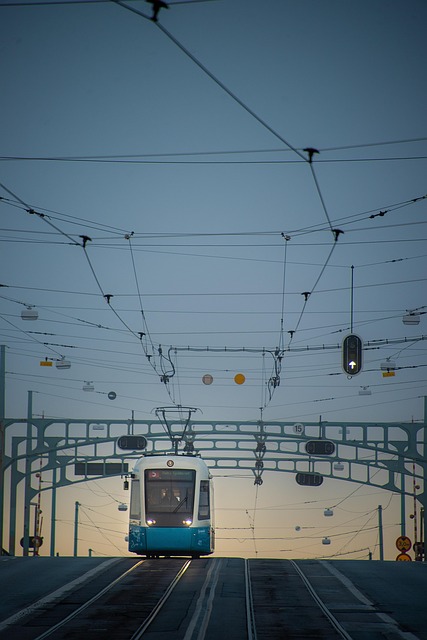
– Strategic investments in services like transportation and green spaces elevate property values and density.
– Upgrading public spaces, healthcare, education, and community centers enhances neighborhood appeal.
– Collaborative planning and technology streamline services, fostering growth and prosperity.
– Mixed-use developments, walkability, and public art create thriving, connected communities.
– High social cohesion reduces crime and improves health; developers can support local businesses and organize inclusive events.
In the ever-evolving landscape of community development, enhancing vibrancy has emerged as a cornerstone for fostering strong, resilient neighborhoods. Real Estate plays a pivotal role in this transformation, as improved services and amenities can significantly impact residents’ quality of life. The current challenge lies in recognizing and implementing strategies that cater to diverse needs, ensuring every member of the community feels valued and connected. This article delves into the intricate relationship between enhanced services, real estate values, and community vibrancy, offering insights on how urban planners, developers, and stakeholders can collaborate to create thriving, inclusive environments.
Enhancing Services: The Cornerstone of Community Growth

Improved services are a cornerstone of fostering vibrant communities, with real estate naturally at the heart of this dynamic. When local governments and developers prioritize enhancing services, they create environments that attract residents, businesses, and investors alike. For instance, a recent study by the Urban Institute revealed that communities with robust public transportation networks and accessible green spaces experience higher property values and increased population density. This synergy between quality services and real estate vitality underscores the importance of strategic investments in infrastructure, recreation facilities, and other community assets.
At the grassroots level, enhancing services can mean everything from upgrading public parks and libraries to improving access to healthcare and education. These seemingly small changes compound over time, creating a ripple effect that benefits the entire neighborhood. For example, a well-maintained community center not only serves as a gathering place but also facilitates job training programs, youth activities, and senior social events. This multifaceted approach not only strengthens social cohesion but also positions the area as an attractive, livable destination, driving organic growth in real estate markets.
Experts suggest that community leaders involve residents in service planning to ensure alignment with local needs and preferences. Collaborative decision-making fosters a sense of ownership among constituents, leading to more sustainable outcomes. Additionally, leveraging technology to streamline services, such as online reservation systems for community centers or digital portals for municipal services, enhances accessibility and efficiency. These strategic enhancements not only improve quality of life but also position communities for long-term economic prosperity, making them desirable places to live, work, and play.
Real Estate Strategies: Fostering Vibrant Neighborhoods

Real estate strategies play a pivotal role in fostering vibrant neighborhoods. The approach to urban development should go beyond mere construction, focusing on creating spaces that encourage community interaction and engagement. For instance, mixed-use developments that combine residential, commercial, and recreational areas naturally enhance neighborhood vibrancy by promoting diverse social interactions. A study by the Urban Land Institute found that mixed-use communities have higher levels of resident satisfaction and lower vacancy rates, indicating stronger community bonds and a thriving local economy.
One effective strategy is to prioritize walkability and accessibility in real estate planning. Neighborhoods designed with pedestrian-friendly streetscapes, well-maintained sidewalks, and convenient access to local amenities like schools, parks, and shops naturally foster a sense of community. For example, cities like Copenhagen have implemented comprehensive walkability plans, resulting in higher foot traffic and increased social cohesion. This strategy not only encourages residents to engage with their surroundings but also contributes to environmental sustainability by reducing car dependency.
Moreover, real estate developers can contribute to vibrancy by integrating green spaces and public art into their projects. Research suggests that access to nature and aesthetically pleasing environments significantly impacts the overall well-being of communities. Parks, community gardens, and public art installations not only provide recreational spaces but also serve as focal points for neighborhood gatherings. For instance, Chicago’s Millennium Park has become an iconic destination, attracting locals and tourists alike, and fostering a dynamic cultural scene within the surrounding neighborhoods.
Building Connections: Unlocking Community Potential

Building connections is a powerful catalyst for enhancing community vibrancy. In today’s diverse urban landscapes, real estate naturally plays a pivotal role in fostering these connections by bringing people together in shared spaces. Thriving neighborhoods are characterized by strong social bonds, where residents actively engage with their surroundings and each other. This sense of belonging significantly contributes to overall well-being and fosters a vibrant community atmosphere. For instance, consider the success of mixed-use developments that seamlessly integrate residential, commercial, and recreational areas. Such designs encourage foot traffic, facilitate interactions, and create a bustling environment that attracts residents and visitors alike.
Experts emphasize that intentional planning is key to unlocking this potential. Community centers, parks, and public art installations can serve as hubs for social gatherings and cultural exchange. For example, a well-designed community garden not only provides fresh produce but also offers a shared space for neighbors to connect, learn, and collaborate. Data from urban planning studies reveals that communities with higher social cohesion tend to have lower crime rates and improved mental health outcomes among residents. This highlights the significant impact of building connections on community resilience and overall vibrancy.
Practical strategies include encouraging mixed-income housing developments, supporting local businesses, and promoting inclusive events. Real estate developers can contribute by adopting inclusive design principles that cater to diverse needs and age groups. Organizing regular neighborhood gatherings, cultural festivals, or volunteer initiatives provides opportunities for residents to bond and create a strong community fabric. Ultimately, fostering genuine connections is the linchpin for creating thriving communities where people actively participate, support one another, and take pride in their shared space.