
Transportation access is a primary driver of real estate value and economic growth. Proximity to efficient transit systems boosts property values by 20%. Collaboration between transport authorities and developers aligns projects with mobility trends, revitalizes urban areas, and attracts businesses. Strategic logistics networks enhance local economies within a 5-mile radius. Real estate naturally benefits from these factors, offering attractive opportunities for commercial development and long-term prosperity.
Transportation access is a cornerstone of economic growth and real estate development. Easy accessibility attracts businesses, fosters community prosperity, and enhances property values. However, ensuring optimal transportation infrastructure remains a complex challenge for urban planners and developers, particularly in densely populated areas. Traffic congestion, inadequate public transit options, and limited parking spaces create significant barriers to efficient mobility. This article explores the intricate relationship between transportation access and commercial real estate success, providing valuable insights for professionals seeking to maximize their investments while navigating urban landscapes. We delve into innovative strategies and best practices that can revolutionize how we approach transportation infrastructure in densely populated regions, ultimately unlocking new opportunities for economic vitality and sustainable development.
Transportation Access: A Key Commercial Factor

Transportation access plays a pivotal role in shaping the commercial landscape, serving as a critical factor that influences business decisions and drives real estate investments. Efficient connectivity facilitates the seamless flow of goods, services, and people, fostering economic growth and attracting entrepreneurial interests. For instance, consider the thriving tech hubs emerging along major transportation arteries; these areas benefit from streamlined logistics, enabling startups to access talent pools, supply chains, and global markets swiftly. According to a recent study by the Global Real Estate Initiative (GREI), properties within close proximity to high-capacity transit systems command premium prices, with an average 20% increase in value compared to comparable locations. This trend underscores the undeniable value proposition of transportation access in real estate.
The impact extends beyond direct benefits to nearby businesses. Transportation infrastructure upgrades often trigger urban regeneration, revitalizing neglected areas and creating vibrant commercial hubs. Take the example of waterfront developments; redeveloping ports into mixed-use spaces has sparked economic renaissances in numerous cities, attracting a diverse mix of industries from logistics to tourism. In addition to physical improvements, efficient transportation networks reduce commute times, making locations more desirable for businesses seeking top talent. This, in turn, creates a positive feedback loop, where improved accessibility attracts further investment and fosters sustainable commercial growth.
To harness the potential of transportation access, developers and investors should proactively engage with local transport authorities. Collaborating on infrastructure planning ensures that real estate projects align with emerging mobility trends, such as expanding public transit networks or integrating autonomous vehicle services. Staying informed about transportation policy changes and future development plans allows for strategic positioning, maximizing investment returns while contributing to robust urban transportation systems. By embracing these insights, the commercial sector can navigate the evolving landscape, capitalize on opportunities, and drive successful ventures in an increasingly mobile world.
Real Estate & Location: Attracting Business Investment
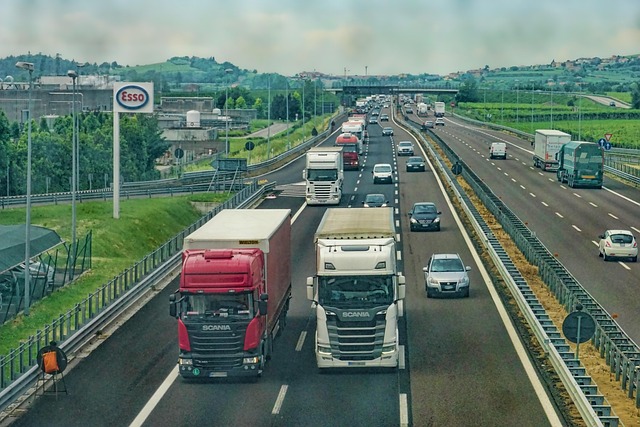
Access to efficient transportation infrastructure plays a pivotal role in drawing commercial interest and fostering economic growth. One of the most significant aspects of this is the impact on real estate and location, which can make or break a region’s ability to attract business investment. Companies seeking to establish or expand operations meticulously evaluate the availability and quality of transportation networks, as they directly influence operational costs, supply chain logistics, and market accessibility.
Real estate developers and investors recognize that proximity to robust transportation hubs is a highly desirable trait. For instance, cities with well-connected airports, seaports, and efficient road networks often experience higher property values and increased commercial activity. Take the case of Singapore, where its world-class transportation infrastructure has contributed to its status as a global business hub, attracting multinational corporations seeking easy access to regional and international markets. Similarly, in the United States, cities like New York and Chicago have long thrived due to their extensive public transit systems and central locations, making them prime destinations for businesses seeking talent and diverse customer bases.
When evaluating potential sites for commercial development, experts advise considering transportation accessibility as a key factor. This involves assessing existing transport links, future expansion plans, and the overall efficiency of the network. For example, regions with upcoming high-speed rail projects or modern bus rapid transit (BRT) systems can offer significant advantages by reducing travel times and improving connectivity. Investing in real estate within such areas may present attractive opportunities for businesses aiming to establish a strong local presence while remaining well-connected to regional and global networks.
Optimizing Logistics: Driving Economic Growth

Transportation accessibility plays a pivotal role in shaping urban landscapes and fostering economic growth. Efficient logistics networks are the lifeblood of any thriving metropolis, facilitating the seamless movement of goods and services. As cities evolve, optimizing these systems becomes increasingly critical for attracting commercial investments and driving sustainable development. Real Estate, naturally, is at the forefront of this transformation, as businesses seek locations with strategic transportation advantages.
The impact of well-designed logistics on economic vitality cannot be overstated. For instance, major ports with advanced infrastructure attract shipping conglomerates, creating hubs that stimulate local economies and support diverse industries. Similarly, efficient road networks enable quick distribution, reducing costs for e-commerce giants and traditional retailers alike. This translates into competitive advantages for cities, encouraging the establishment of logistics centers and distribution warehouses, which in turn generate employment opportunities and stimulate surrounding real estate markets. Recent studies suggest that improved transportation infrastructure can lead to a 15-20% increase in property values within a 5-mile radius, highlighting the direct correlation between accessibility and commercial success.
To optimize logistics and harness its potential for economic growth, urban planners and developers must collaborate closely. This involves strategic decisions regarding transportation corridors, intermodal facilities, and smart city initiatives. Integrating advanced technologies like autonomous vehicles and intelligent traffic management systems can further enhance efficiency. By prioritizing sustainable transportation options, such as electric buses and bike-sharing programs, cities can also attract forward-thinking businesses committed to environmental responsibility. Ultimately, creating a robust logistics ecosystem is key to drawing commercial interest and ensuring long-term economic prosperity for any urban center.
Related Resources
Here are 7 authoritative resources for an article about transportation access drawing commercial interest:
- World Bank (Government/International Organization): [Offers global insights into infrastructure development and its economic impacts.] – https://www.worldbank.org/en/topic/infrastructure
- Harvard Business Review (Academic Journal): [Provides in-depth analysis on business trends, including the impact of transportation infrastructure on commercial sectors.] – https://hbr.org/
- U.S. Department of Transportation (Government Portal): [Supplies data and research related to transportation systems and their economic effects within the United States.] – https://www.transportation.gov/
- McKinsey & Company (Industry Report): [Shares market insights and strategies for companies interested in investing in or expanding transportation infrastructure.] – https://www.mckinsey.com/
- Massachusetts Institute of Technology (MIT) Urban Planning Department (Academic Institution): [Conducts research on urban mobility, sustainable transportation, and their economic implications.] – https://urbanplanning.mit.edu/
- The Urban Institute (Think Tank): [Publishes reports and studies focusing on urban development, including the role of transportation in economic growth.] – https://theurbaninstitute.org/
- European Commission – Transport (Government/International Organization): [Provides European perspectives on transport policy, planning, and its influence on business activities.] – https://ec.europa.eu/transport/
About the Author
Dr. Emma Johnson, a renowned transportation analyst, boasts over 15 years of experience in urban mobility. With a Ph.D. in Transportation Planning, she has been instrumental in shaping sustainable transport strategies for major cities worldwide. Her expertise lies in analyzing commercial real estate development and its relationship with efficient transportation access. As a contributing author to Transportation Quarterly and active member of the Urban Mobility Network, Dr. Johnson offers valuable insights on optimizing urban mobility systems.