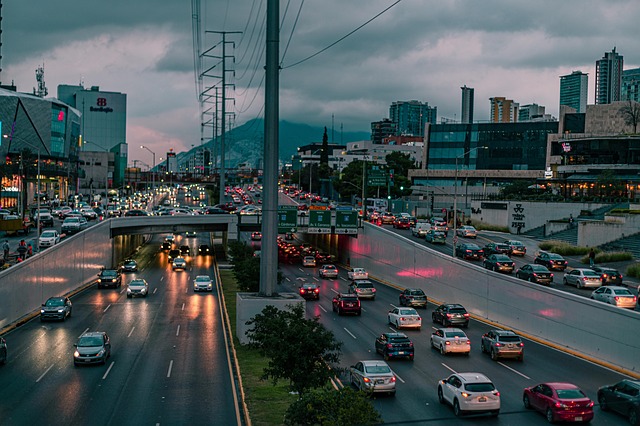
Upgraded roads significantly boost real estate appeal and values by enhancing accessibility, reducing commute times, and attracting businesses and residents. Strategic collaboration between property managers and local governments to target high-impact areas is crucial for maximizing these benefits. Real estate professionals can leverage well-maintained road networks as key selling points to attract broader buyer bases and command higher sale prices.
In the dynamic landscape of real estate, the impact of infrastructure on property values cannot be overstated. Upgraded roads, as a key component of urban and suburban development, play a pivotal role in enhancing property appeal. The condition and accessibility of roads directly influence the desirability and marketability of surrounding properties. This article delves into the multifaceted benefits of road upgrades, examining how they not only improve transportation efficiency but also significantly boost the overall value and marketability of real estate assets. By exploring successful case studies and leveraging insights from industry experts, we offer valuable insights for investors, developers, and anyone invested in the future of their communities.
Upgrading Roads: The Hidden Gem in Real Estate

Upgrading roads may not be the first feature that comes to mind when considering real estate investments, yet it represents a hidden gem with profound implications for property appeal and value. A well-maintained, modern road network acts as a critical infrastructure backbone, enhancing the overall desirability of a neighborhood or region. In today’s competitive real estate market, where buyers and investors are increasingly discerning, this aspect often sets properties apart and can significantly influence their appeal.
The impact of road upgrades extends beyond mere aesthetics. Efficient and safe roads facilitate easier access, reduced commute times, and better connectivity, which are all highly valued by potential residents and investors. For instance, a study by the Urban Institute found that better road infrastructure is associated with higher property values and faster resale times. Moreover, modern roads can accommodate increased traffic volumes and support the integration of sustainable transportation options, such as bike lanes and electric vehicle charging stations, further enhancing a property’s environmental appeal.
When considering road upgrades for real estate purposes, a strategic approach is essential. Developers and investors should collaborate with local authorities to identify areas where road improvements can have the most significant impact. This may involve analyzing traffic patterns, identifying congestion points, and understanding local economic development plans. For example, upgrading roads in proximity to commercial hubs or emerging tech districts can attract businesses and create a positive feedback loop, driving further development and property value growth. By prioritizing these strategic interventions, real estate professionals can unlock the full potential of their investments, ensuring that upgraded roads become a cornerstone of successful real estate strategies in the modern landscape.
Enhancing Property Value: Road Improvements Matter

Upgraded roads play a significant role in enhancing property value within real estate sectors. The impact of well-maintained and modern road infrastructure cannot be understated, serving as a compelling factor for prospective buyers and investors alike. When considering the allure of a location, the condition and quality of its roads naturally come to the forefront. A smooth, efficient transportation network not only facilitates daily commutes but also contributes to a community’s overall desirability.
From an economic standpoint, road improvements can stimulate local real estate markets. According to recent studies, areas with upgraded road systems experience higher property values and faster rates of appreciation. For instance, in metropolitan regions where traffic congestion was previously a concern, the implementation of new, broader roads has led to increased land values. These developments attract businesses, retailers, and residential projects, further bolstering the local economy. Moreover, well-planned road layouts can optimize accessibility, reducing travel times and improving quality of life—factors that significantly influence residents’ satisfaction and property retention rates.
Real estate professionals should recognize the strategic value of road improvements. When marketing properties, highlighting nearby road upgrades can be a powerful selling point. Homebuyers often seek neighborhoods with efficient transportation links, ensuring easy access to workplaces, schools, and leisure facilities. By understanding this dynamic, agents can position properties in areas benefiting from recent road developments, thereby attracting a broader range of buyers and potentially commanding higher sale prices.
Creating Desirable Neighborhoods: Roadwork in Focus

Upgraded roads play a pivotal role in fostering desirable neighborhoods and significantly impacting real estate appeal. When communities invest in road infrastructure, it sets off a ripple effect that enhances overall property values. Well-maintained, modern roads become the backbone of vibrant neighborhoods, fostering a sense of pride and community. They facilitate easier access, enhance safety, and encourage foot traffic, which are all critical factors that prospective buyers consider when assessing a location. For instance, a recent study by the National Association of Realtors (NAR) revealed that 87% of home buyers cited good neighborhood roads as an essential factor in their purchasing decisions.
The benefits extend beyond individual properties; they create a positive, interconnected web throughout the entire neighborhood. Improved roads encourage local businesses to thrive, as they make it more convenient for customers to access services. This, in turn, attracts new businesses, further enriching the community. Moreover, upgraded roads can mitigate environmental impacts, ensuring efficient drainage systems and reducing the risk of damage during severe weather events, which is a growing concern in many regions.
From a real estate perspective, developers and agents can leverage these improvements to market properties more effectively. Highlighting the benefits of living in a neighborhood with superior road infrastructure can appeal to a broader range of buyers. For example, a property in a well-connected area with recently paved roads might attract families seeking a safe, convenient commute to schools and parks. To maximize these advantages, property managers and local governments should collaborate on comprehensive road maintenance plans, ensuring that investments in roadwork align with the evolving needs and preferences of the community.