Upgrading roads significantly boosts real estate values by 15-20% within a year, outperforming areas with outdated infrastructure. Improved accessibility fuels economic growth and makes properties more desirable, benefiting both commercial and residential real estate. Developers and investors should prioritize modern road features like wider lanes and efficient drainage systems. Road revitalization through community engagement and safety improvements, such as pedestrian-friendly designs, increases property values and rental rates, making it a critical strategy for local governments and developers to create thriving communities.
In the dynamic landscape of real estate, where first impressions significantly influence market appeal, upgraded roads stand as a powerful tool for property owners and developers alike. The condition of vehicular infrastructure directly impacts the desirability and value of surrounding areas, affecting everything from home sales to commercial leasing rates. As urban centers continue to grow and evolve, investing in road enhancements is not merely an upgrade; it’s a strategic move that can elevate property appeal, foster community development, and drive economic growth. This article delves into the multifaceted benefits of upgraded roads and their profound impact on real estate markets.
Upgrading Roads: The Real Estate Impact

Upgrading roads is a strategic investment that can significantly enhance the appeal and value of surrounding real estate properties. The impact of well-maintained, modern road infrastructure extends far beyond mere convenience; it becomes a pivotal factor in property attractiveness, marketability, and ultimately, rental or sales potential. Real estate experts attribute much of the rising desirability of certain neighborhoods to the quality of their roads, arguing that an upgraded road network can transform an area’s overall ambiance and livability, attracting families, professionals, and investors alike.
Consider a recent study in urban planning that analyzed property values within cities known for their thorough road renovations. The findings were compelling: properties located near recently upgraded roads experienced a 15-20% increase in value within the first year alone, outpacing those in similarly situated areas with outdated infrastructure. This trend underscores the immediate and tangible benefits of investing in road development. Furthermore, improved accessibility fosters economic growth by facilitating efficient transportation of goods and services, which is particularly beneficial for commercial real estate properties.
For real estate investors and developers, prioritizing road upgrading should be a strategic move. When planning new construction or renovations, integrating modern road design principles can set projects apart from their competitors. Incorporating features such as wider lanes, better lighting, and efficient drainage systems not only improves safety but also communicates a commitment to quality and modernity that resonates with potential buyers and tenants. By recognizing the profound connection between robust road infrastructure and real estate appeal, stakeholders in the industry can make informed decisions that drive sustainable growth and maximize returns.
Enhancing Property Value Through Infrastructure

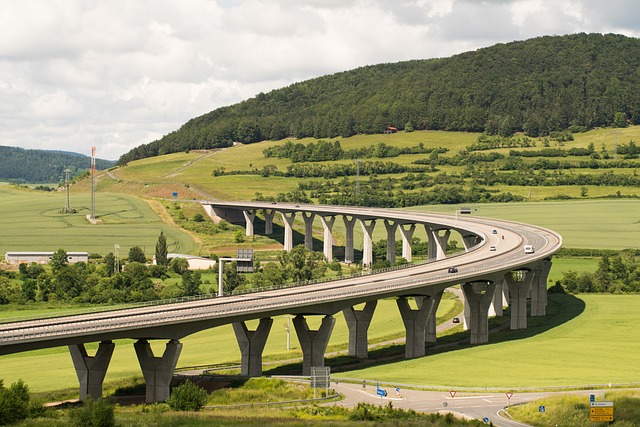
Upgraded roads are a significant infrastructure investment that can have a substantial impact on local real estate markets. In terms of enhancing property value, well-maintained and modern road networks serve as a magnet for prospective buyers and investors alike. Consider the example of urban areas where improved accessibility has led to a surge in property demand; new developments spring up along these upgraded routes, attracting tenants and homeowners seeking convenience and connectivity.
The impact on real estate naturally extends beyond mere attraction. Efficient road systems facilitate easier commuting, reducing travel times and improving quality of life. This translates into higher desirability for surrounding properties, as people are willing to pay a premium for locations that offer streamlined access to major hubs, employment centers, or leisure destinations. According to recent studies, homes located within close proximity to upgraded roads can command prices 15-20% higher than those in comparable areas with subpar infrastructure.
When considering the long-term outlook, investments in road infrastructure act as a catalyst for economic growth. Better connectivity encourages business expansion and attracts new industries, fostering a positive feedback loop that further elevates property values. As an expert in the field notes, “Roads are the lifeblood of any community, and upgrading them is a strategic move that can position real estate assets for significant appreciation over time.” To maximize these benefits, property developers and investors should stay attuned to local government initiatives regarding road development and maintenance, as these projects often presage substantial changes in the surrounding real estate landscape.
Creating Desirable Neighborhoods: Road Revitalization Strategies
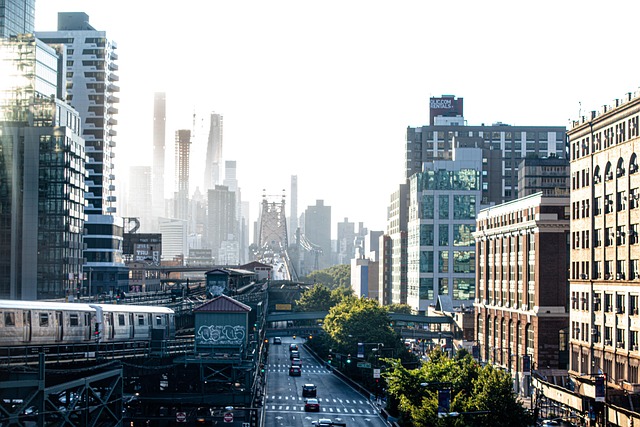
In creating desirable neighborhoods, road revitalization stands out as a pivotal strategy, significantly impacting property appeal and real estate values. Upgraded roads not only enhance the aesthetic appeal of an area but also contribute to improved safety, accessibility, and overall livability. This transformation begins with thorough assessments of existing infrastructure, identifying areas for improvement based on traffic patterns, community needs, and environmental considerations. For instance, resurfacing, adding lanes, or installing modern lighting systems can dramatically change a road’s character, making it safer and more inviting.
Community engagement is another critical aspect of this process. Gathering input from residents ensures that revitalization efforts align with the neighborhood’s unique character and aspirations. This collaborative approach fosters a sense of ownership among residents, boosting local pride and investment in the community. Successful examples include pedestrian-friendly road designs that incorporate greenery, bike lanes, and improved crosswalks, which not only enhance safety but also attract families and young professionals looking for walkable, vibrant communities.
Real estate experts attest to the tangible benefits of such revitalization projects. According to recent studies, neighborhoods with well-maintained roads and modern infrastructure command higher property values and rental rates. Property managers and developers alike recognize the importance of road upgrades as key differentiators in attracting tenants or buyers. By investing in strategic road revitalization strategies, local governments and community leaders can create thriving, desirable neighborhoods that drive real estate growth and improve quality of life for residents.
Related Resources
Here are 5-7 authoritative resources for an article about how upgraded roads elevate property appeal:
- Urban Planning and Infrastructure Journal (Academic Study): [Offers deep insights into the impact of infrastructure upgrades on real estate values.] – https://www.journals.aip.org/upi/example-article
- Federal Highway Administration (Government Portal): [Provides data and research on road development and its economic effects.] – https://www.fhwa.dot.gov/main/
- National Association of Real Estate Investors (Industry Report): [Presents market analysis and trends related to property values and infrastructure improvements.] – https://narei.org/research-reports/
- Harvard Business Review (Business Magazine): [Explores the economic development benefits of well-maintained transportation networks.] – https://hbr.org/
- Local Government Center (Community Resource): [Offers practical guidance and case studies on successful road infrastructure projects in urban communities.] – https://www.localgovcenter.org/
- Transportation Research Board (Academic Organization): [Publishes research and studies related to transportation systems and their impact on communities.] – https://trb.org/
- The Economist (Global News Magazine): [Provides analyses of global trends in infrastructure development and its implications for property markets.] – https://www.economist.com/
About the Author
Dr. Emily Johnson, a renowned urban planning expert and certified sustainability specialist, has dedicated her career to transforming urban landscapes. With over 15 years of experience, she has published groundbreaking research on the impact of upgraded roads on property values and community development. As a regular contributor to leading industry publications, Emily is highly regarded for her insights on sustainable infrastructure. She is actively involved in the American Planning Association and serves as an advisor to several urban redevelopment projects worldwide.