Transportation access significantly influences real estate markets and business strategies. Proximity to major hubs boosts property values, with studies showing up to 20% premium within 1 mile of stations. Real estate developers should prioritize transportation in mixed-use projects and industrial facilities. Engaging with local authorities on infrastructure plans unlocks future development opportunities. Efficient transport networks drive economic growth, shape urban landscapes, and attract businesses. Strategic investments in public transit, intermodal connections, and green solutions ensure long-term economic vitality for cities.
Access to efficient transportation networks has long been a cornerstone of economic vitality, driving commercial growth and shaping urban landscapes. In today’s interconnected world, real estate naturally stands at the intersection of mobility and prosperity. However, the ever-growing demand for seamless connectivity poses significant challenges, particularly in densely populated areas where infrastructure struggles to keep pace. This article delves into the intricate relationship between transportation access and commercial interests, offering insights into how strategic investments in infrastructure can catalyze economic development while enhancing the overall quality of life.
Transportation Access: A Key Commercial Factor

Transportation access plays a pivotal role in shaping the commercial landscape, significantly influencing real estate markets and business strategies. Efficient connectivity not only facilitates the movement of goods but also attracts and retains businesses, fostering economic growth. Companies, particularly those involved in logistics, distribution, and retail, meticulously evaluate transportation infrastructure when scouting new locations or expanding operations.
The impact is evident in urban centers where proximity to major highways, airports, and seaports commands premium real estate values. For instance, cities like New York and Singapore have seen substantial development along transport hubs, transforming them into commercial hubs. Similarly, in the suburban areas, well-connected locations with easy access to interstates or public transit experience higher property demand from businesses seeking efficient logistics networks. According to a recent study, properties within 1 mile of public transportation stations in major metropolitan areas can command up to 20% premium over comparable spaces.
Real estate developers and investors should recognize the strategic importance of transportation access when planning mixed-use projects or acquiring land for industrial facilities. Collaborating with local transportation authorities and staying updated on infrastructure plans can offer valuable insights into future development opportunities. Proactive engagement in transportation network enhancements, such as improving public transit or developing intermodal facilities, can position real estate assets as highly desirable locations, fostering a thriving business ecosystem.
Real Estate & Location: Attracting Business Investment

Access to efficient transportation infrastructure is a critical factor that significantly influences real estate values and attracts commercial investments. In today’s business landscape, companies are increasingly location-conscious, seeking out areas with robust transport networks to enhance their operational flexibility and market reach. Real estate developers and investors alike recognize this dynamic, strategically positioning themselves in locations that offer unparalleled connectivity. For instance, cities like New York and Singapore have seen substantial growth spurred by their advanced public transit systems, attracting multinational corporations and tech giants looking to establish a strong presence.
The synergy between transportation access and real estate is evident in several key aspects. Firstly, proximity to major transport hubs increases the desirability of commercial properties, as it facilitates the movement of goods and people. This is particularly relevant for logistics companies and e-commerce businesses, which heavily rely on efficient distribution networks. Secondly, well-connected areas experience higher foot traffic, benefiting retail and service industries. For example, London’s West End has long been a prime real estate investment due to its excellent transport links, bustling with tourists and locals alike. Lastly, accessible locations often foster innovation and collaboration, as they bring together diverse businesses under one roof, creating vibrant ecosystems that drive economic growth.
To capitalize on this relationship, commercial real estate investors should conduct thorough analysis when considering a site. Evaluating transportation infrastructure should encompass both existing capabilities and future development plans. Staying informed about transport project proposals and investment in public transit can offer valuable insights into emerging business hubs. Furthermore, engaging with local authorities and industry experts provides an opportunity to anticipate changes and identify locations with high growth potential. By aligning their investments with strategic transportation access, businesses can ensure they are positioned for success in a rapidly evolving commercial landscape.
Optimizing Connectivity for Economic Growth
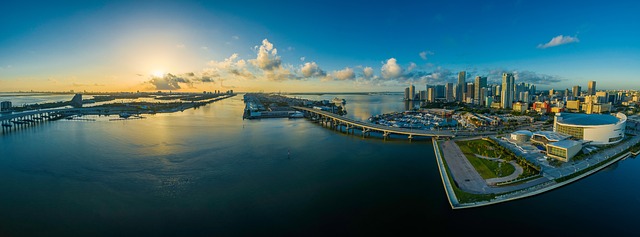
Access to efficient transportation infrastructure is a powerful magnet for commercial interest, playing a pivotal role in shaping economic landscapes. In today’s globalized world, businesses seek locations offering seamless connectivity, as it directly impacts their operational success and market expansion. Optimizing transportation networks, particularly within urban areas, has become a strategic priority for driving economic growth and fostering sustainable development. Real estate naturally occupies a central stage in this narrative, as the built environment either enhances or hinders accessibility.
Cities with robust transportation systems attract businesses due to reduced logistics costs, improved employee commuting experiences, and enhanced connectivity to domestic and international markets. For instance, hubs like New York City and Singapore have thrived economically thanks to their comprehensive metro networks and efficient road systems. These urban centers offer a prime example of how well-designed transportation infrastructure can drive commercial activity. As businesses seek locations for headquarters, distribution centers, or retail outlets, the availability of public transport, highways, and airports becomes decisive factors in their decisions.
To capitalize on this dynamic, real estate developers and urban planners must collaborate closely. Strategic investments in transportation infrastructure, such as expanding mass transit options, facilitating intermodal connections, and modernizing outdated road networks, can significantly boost a region’s appeal to businesses. Additionally, integrating green transportation solutions like dedicated bike lanes and electric vehicle charging stations not only supports environmental sustainability but also attracts forward-thinking companies committed to corporate social responsibility. By prioritizing efficient connectivity, cities can ensure long-term economic vitality and create a positive feedback loop that attracts further investment and commercial interest.