Utility expansion drives real estate growth and neighborhood revitalization by enhancing livability, attracting investments, and fostering economic development. Local governments and developers must collaborate to integrate infrastructure upgrades with housing projects for maximum impact. Early adopters can capitalize on emerging markets by identifying areas with upcoming utility expansions, leading to increased property values and improved community amenities like healthcare and education.
As urban populations grow, the demand for quality living spaces intensifies, pushing real estate naturally towards expansion. This growth often sparks a ripple effect, with neighborhoods transforming into thriving communities. However, unchecked development can lead to unforeseen challenges—from infrastructure strain to cultural homogenization. The key lies in strategic planning that balances progress with preservation. This article delves into the intricate relationship between utilities expansion and neighborhood growth, offering insights into sustainable development practices that nurture both economic vitality and community character. By exploring proven strategies, we aim to provide valuable guidance for real estate professionals navigating this critical juncture.
Infrastructure Upgrades Drive Neighborhood Revitalization

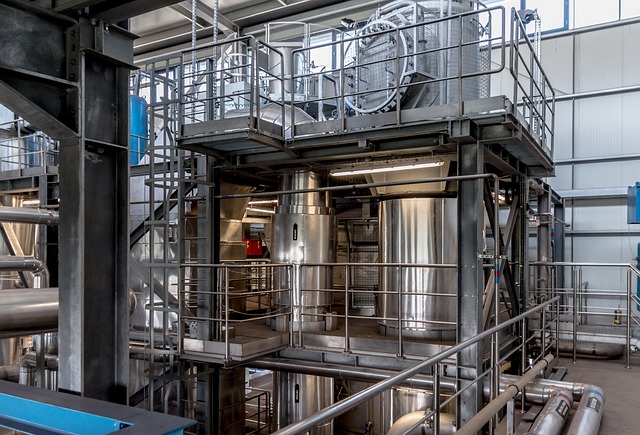
The expansion of utilities—from modern water and sewage systems to advanced telecommunications infrastructure—acts as a powerful catalyst for neighborhood growth and real estate revitalization. These upgrades not only enhance the quality of life for residents but also attract new investments, leading to a ripple effect across various sectors. For instance, in urban areas where aging pipes have been replaced, property values have shown significant increases, with studies indicating a 5-10% boost within a year of completion. This trend is especially pronounced in neighborhoods that were once considered undervalued due to poor infrastructure.
Infrastructure upgrades play a pivotal role in fostering economic development by creating an enabling environment for businesses. Improved utilities encourage entrepreneurs to set up shop, contributing to job creation and local economic growth. Moreover, these improvements enhance the overall livability of areas, making them more appealing to potential residents and visitors alike. This revitalized atmosphere can lead to the emergence of new amenities, such as restaurants, cafes, and cultural venues, further enriching the neighborhood’s appeal from a real estate perspective.
From a strategic planning standpoint, local governments and developers should collaborate to prioritize infrastructure improvements alongside housing projects. Co-planning ensures that new developments are supported by robust utilities, preventing future issues and maximizing the potential for successful revitalization. For example, cities like Chicago have implemented comprehensive plans that integrate utility expansion with residential development, resulting in thriving neighborhoods where real estate values continue to rise steadily. By learning from such models, other urban centers can chart a course towards sustainable growth, ensuring that infrastructure upgrades drive not just short-term gains but also long-lasting neighborhood vibrancy.
Real Estate Trends Follow Utility Expansion

The expansion of utility services plays a pivotal role in shaping neighborhood growth and real estate trends. As essential infrastructure develops and improves, areas once considered peripheral or underdeveloped can experience significant transformation. This is particularly evident in urban landscapes where limited space and high demand have historically driven real estate values. For instance, the rollout of advanced broadband internet in previously underserved suburban communities has attracted tech-focused businesses and young professionals seeking both a higher quality of life and reliable connectivity.
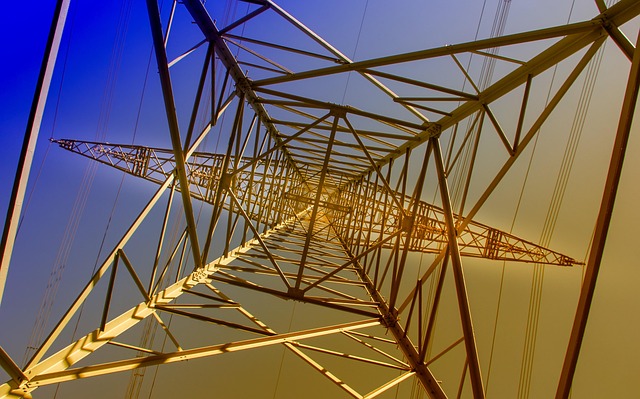
Real estate agents and investors often recognize these trends early, capitalizing on emerging markets before they reach mainstream awareness. Areas with upcoming utility upgrades, such as new water treatment facilities or smart grid implementations, can see property values increase ahead of their neighbors. This is not merely speculative; data from various metropolitan regions consistently shows a strong correlation between improved utility infrastructure and subsequent real estate booms. For example, the recent installation of high-voltage power lines in a once-remote rural community has sparked a building boom, with developers eyeing the area’s scenic landscapes for luxury housing projects.
When considering investments or relocations, staying informed about planned utility expansions is crucial. Local government bodies and utilities providers often release detailed reports outlining future projects, allowing residents and investors to make strategic decisions. Proactive engagement with these resources can offer valuable insights into areas poised for growth. Additionally, consulting with real estate professionals who specialize in emerging markets ensures that individuals and businesses alike can navigate these changes effectively, securing properties at competitive prices or establishing themselves in thriving neighborhoods before their full potential is realized.
Community Growth: A Synergistic Effect of Utilities Development
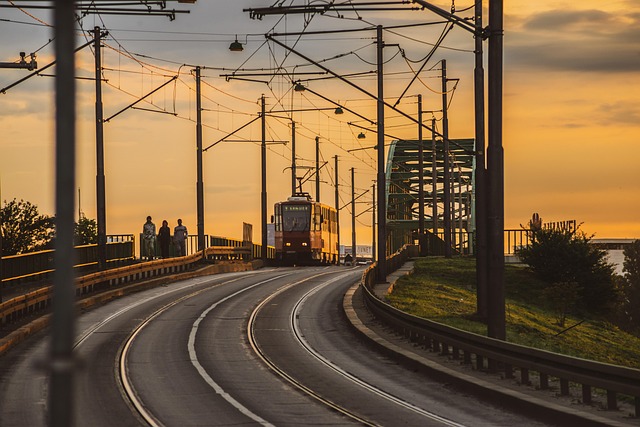
The expansion of utilities infrastructure often serves as a catalyst for neighborhood growth and transformation. This synergistic relationship between utilities development and community expansion is a testament to the interconnectedness of modern urban landscapes. As essential services such as electricity, water, and internet connectivity improve and expand, real estate naturally benefits from increased desirability and value. For instance, areas with advanced sewage treatment systems often experience higher property prices due to their enhanced livability and environmental sustainability.
In many cases, the arrival of high-speed broadband infrastructure has sparked a digital revolution within neighborhoods, attracting tech startups and remote workers seeking robust connectivity. This influx can lead to revitalized local economies, as businesses establish roots and contribute to a vibrant community atmosphere. For example, the rollout of fiber-optic networks in various cities has been followed by a surge in co-working spaces and tech hubs, fostering collaboration and innovation. As these developments unfold, real estate markets respond with new construction projects tailored to meet the demands of modern lifestyles.
Community growth spurred by utilities expansion also manifests in social and cultural aspects. Improved access to healthcare facilities and educational resources can attract families and foster a strong sense of community. Parks and recreational spaces often become central hubs for neighborhood interaction, promoting physical well-being and social cohesion. Local governments play a pivotal role in this process by partnering with developers to ensure that new utilities infrastructure is accompanied by thoughtfully designed public spaces. This holistic approach not only enhances the quality of life but also drives real estate values over time, making neighborhoods more attractive and desirable for residents and investors alike.