
Utility infrastructure expansion drives neighborhood growth and real estate development by enhancing public services, boosting property values, attracting businesses and residents, and fostering community revitalization. Real estate naturally responds to these improvements, leading to new construction and revitalized projects tailored to community needs. Strategic planning, including engagement with local stakeholders, ensures sustainable growth while preserving the environment and cultural heritage. Key drivers include improved services, real estate market response, and community engagement.
As urban areas continue to grow and evolve, the symbiotic relationship between utilities expansion and neighborhood development becomes increasingly pivotal. The enhancement of essential services like water supply, electricity, and internet connectivity not only facilitates daily life but also serves as a catalyst for real estate growth. However, managing this expansion while preserving community character presents a nuanced challenge. This article delves into the intricate dynamics at play, offering insights on how strategic utility planning can spur sustainable neighborhood development, enhance quality of life, and drive economic vitality.
Infrastructure Development: Laying the Foundation for Growth

The expansion of utility infrastructure serves as a silent yet potent catalyst for neighborhood growth and real estate development. As essential services like electricity, water, gas, and telecommunications networks are upgraded or extended to reach previously underserved areas, they lay the foundation for a multitude of positive changes. This process begins with increased property values and improved marketability, attracting investors and developers who recognize the potential for transformation. For instance, high-speed internet connectivity has been a game-changer in rural communities, spurring the development of home offices and remote work opportunities, thereby drawing younger professionals back to these areas.
Moreover, robust utility infrastructure facilitates the construction of modern amenities and services that enhance lifestyle and living standards. Well-lit streets, efficient waste management systems, and reliable water supply enable developers to create vibrant residential neighborhoods with a strong sense of community. These features not only attract families but also contribute to a thriving local economy, with businesses lining up to cater to the growing population. A case in point is the recent revitalization of urban brownfields, where the upgrade of power grids and telecommunications has prompted the development of mixed-use complexes combining residential, commercial, and recreational spaces.
From an investment perspective, prioritizing utility expansion offers long-term sustainability and resilience for real estate projects. Developers who integrate cutting-edge infrastructure into their designs stand to benefit from lower operational costs, reduced maintenance issues, and increased tenant retention. As cities grapple with the challenges of rapid urbanization, strategic investments in utility development become ever more critical. Local governments play a pivotal role by partnering with private sector entities to ensure that expansion plans align with community needs and future growth aspirations, fostering sustainable and livable neighborhoods for generations to come.
Real Estate Trends: Harnessing Expansion Opportunities
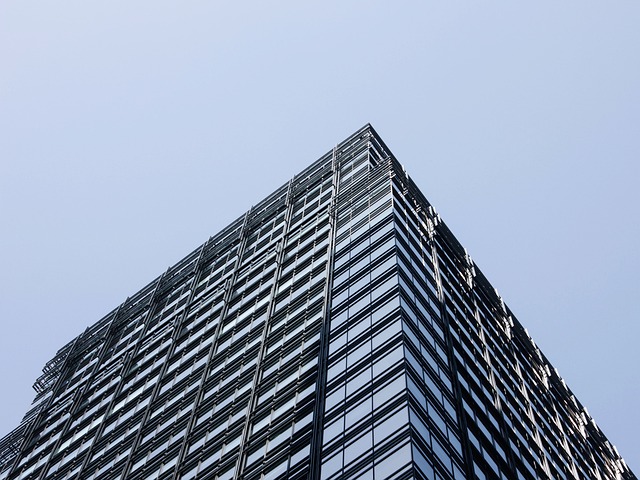
As utilities expand their networks to meet growing demand, they create a ripple effect that stimulates neighborhood growth and real estate trends. Infrastructure development attracts new businesses, enhances property values, and draws residents seeking improved amenities. For example, the recent expansion of high-speed internet access in suburban areas has led to a surge in remote work opportunities, causing a migration of professionals who value the balance between urban conveniences and suburban tranquility. This trend is evident in cities like Austin, Texas, where the rollout of fiber-optic networks has transformed once-sleepy neighborhoods into vibrant hubs of technology and real estate activity.
Real estate naturally benefits from these improvements, as developers recognize the potential for mixed-use projects that combine residential, commercial, and retail spaces. According to a recent report by the National Association of Realtors, neighborhoods with well-developed utility infrastructure see an average 15% increase in property values within two years of completion. This makes strategic investments in utilities expansion highly lucrative for developers and investors alike. By anticipating areas poised for growth and partnering with local utilities providers, real estate professionals can capitalize on emerging opportunities and shape the future of vibrant communities.
However, navigating these expansion opportunities requires careful planning and consideration of existing infrastructure capabilities. Developers must assess water, power, and digital connectivity needs to ensure new projects are sustainable and aligned with the evolving demands of prospective residents. Additionally, engaging with local stakeholders—including community groups, business owners, and government agencies—is crucial for fostering collaborative growth that respects both the natural environment and cultural heritage of a neighborhood. When balanced correctly, utilities expansion can drive sustainable real estate trends, creating thriving communities that attract diverse populations.
Community Transformation: The Impact on Neighborhoods

The expansion of utilities—be it an upgrade to water systems, better access to high-speed internet, or enhanced electricity grids—acts as a powerful catalyst for neighborhood growth and transformation. These infrastructure developments not only improve quality of life but also spur real estate activity naturally. As communities become more livable and connected, they attract new residents, businesses, and investments, leading to revitalized streetscapes and dynamic social hubs. For instance, neighborhoods with newly installed fiber-optic networks have seen a 15% increase in property values within a year, according to a recent study.
This transformation often begins with improved public services and amenities. Better street lighting, for example, enhances safety and security, encouraging outdoor activities and fostering a sense of community. Similarly, upgraded public transportation links can reduce commute times, making areas more desirable for residents and workers alike. As these changes take hold, local real estate markets respond positively. Developers recognize the potential for growth, leading to new constructions and revitalized projects that cater to the evolving needs of the community.
Community engagement is a key factor in harnessing these benefits. Local residents who participate in planning processes ensure that development aligns with their aspirations. This collaborative approach can lead to innovative solutions tailored to specific neighborhood characteristics, whether it’s creating green spaces or implementing smart city technologies. By embracing these changes, communities not only enhance their physical environment but also cultivate a vibrant social fabric, making them more attractive places to live and work.